
Every generation swears its hero is the greatest the game has ever seen, and honestly, that’s part of what makes football football. There’s no stopwatch or scoreboard that settles a “greatest of all time” argument the way a 100-meter sprint does — so any list like this one is built on a mix of trophies, numbers, peak brilliance, and the eye test, weighed against how each player dominated their own era.
Lionel Messi tops most credible all-time rankings, backed by a record 8 Ballons d’Or, a 2022 World Cup win, and — as of the ongoing 2026 tournament — the all-time World Cup scoring record. Pelé (3 World Cups) and Cristiano Ronaldo (5 Ballons d’Or, most goals ever scored) round out the top three, with Maradona, Zidane, and Cruyff close behind.
Key Takeaways
- Messi is #1 on most modern rankings due to unmatched individual records plus a World Cup win, closing the last real gap in his case.
- Pelé remains the only 3-time World Cup winner, a record no other player has come close to since 1970.
- Ronaldo’s case rests on scoring records and longevity — he’s the all-time top scorer in men’s international football and the Champions League.
- Rankings like this reward a mix of peak brilliance, trophies, longevity, and influence on the sport — not just one factor alone.
This list leans on all of that: World Cups and Ballons d’Or, goal and assist records, and — just as importantly — moments that changed how the sport is played and watched. It’s updated as history keeps being written, which right now, in the middle of the 2026 World Cup, is happening in real time.
Suggested Read:
How We Ranked This List
Four things mattered most in building this ranking:
- Peak dominance — how far above their peers a player was at their absolute best
- Trophies and individual honors — World Cups, Ballons d’Or, and major continental titles
- Longevity — sustaining world-class form over a decade or more, not just a golden season or two
- Influence on the game — players who changed tactics, technique, or the sport’s global reach
With that framework in mind, here’s the countdown — followed by a full data comparison table if you want the numbers side by side.
The Numbers: All-Time Greats Compared
| Rank | Player | Career Span | Ballons d’Or | World Cups Won | Major Club Titles | Career Goals (Club + Country) | Signature Stat |
|---|---|---|---|---|---|---|---|
| 1 | Lionel Messi | 2004–Present | 8 | 1 (2022) | 44 Senior Trophies | 918+ | All-time World Cup top scorer; all-time assist leader (414) |
| 2 | Pelé | 1956–1977 | 0 (Award was Europe-only during his career) | 3 (1958, 1962, 1970) | 10 Brazilian League Titles (Santos) | 1000+ | Only player to win 3 FIFA World Cups |
| 3 | Cristiano Ronaldo | 2002–Present | 5 | 0 | 5 Champions Leagues, 7 League Titles | 900+ | All-time top scorer in men’s international football and UEFA Champions League |
| 4 | Diego Maradona | 1976–1997 | 0 (Award was Europe-only during his career) | 1 (1986) | 2 Serie A Titles (Napoli) | ~350 | Greatest single World Cup tournament performance (1986) |
| 5 | Ronaldo Nazário | 1993–2011 | 2 (1997, 2002) | 2 (1994, 2002) | 1 Champions League, Multiple League Titles | ~350 | 8 goals at the 2002 FIFA World Cup (Golden Boot) |
| 6 | Zinedine Zidane | 1988–2006 | 1 (1998) | 1 (1998) | 1 Champions League | ~125 | Legendary volley in the 2002 UEFA Champions League Final |
| 7 | Johan Cruyff | 1964–1984 | 3 | 0 (Runner-up 1974) | 3 European Cups (Ajax) | ~400 | Invented the “Cruyff Turn”; Symbol of Total Football |
| 8 | Alfredo Di Stéfano | 1944–1966 | 2 (1957, 1959) | 0 | 5 Consecutive European Cups (Real Madrid) | 300+ | Scored in 5 consecutive European Cup Finals |
| 9 | Franz Beckenbauer | 1964–1983 | 2 | 1 as Player (1974), 1 as Manager (1990) | 3 European Cups | ~80 | One of only three people to win the World Cup as both player and manager |
| 10 | Ronaldinho | 1998–2015 | 1 (2005) | 1 (2002) | 1 Champions League | ~350 | FIFA World Player of the Year (2004 & 2005) |
Note: Pelé and Maradona never won the Ballon d’Or because the award was restricted to European-based players until 1995 — both were playing primarily in Brazil and Argentina/Napoli-era South America for most of their careers. This is a well-known asterisk in any GOAT stats comparison and worth keeping in mind rather than reading it as “0 Ballons d’Or = lesser peak.”
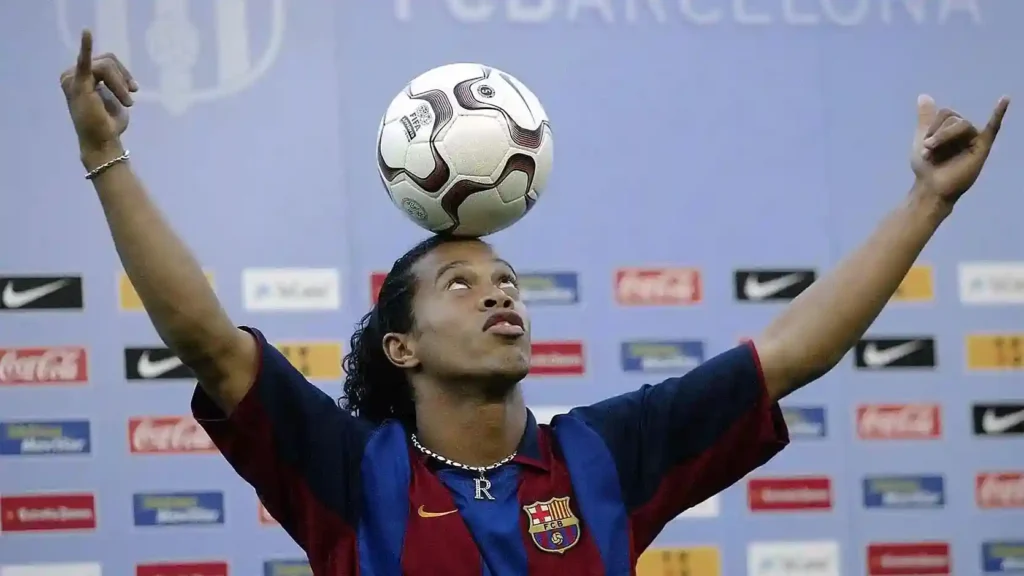
10. Ronaldinho
Few players have ever made football look this joyful. Ronaldinho’s peak years at Barcelona (2003–2006) combined outrageous technical skill with a smile that made even opposition fans root for him. He won two FIFA World Player of the Year awards and a Ballon d’Or, and his 2002 World Cup — including that audacious lob over David Seaman — remains one of the most replayed moments in the tournament’s history.
Major titles won, by name:
- 2002 FIFA World Cup (Brazil)
- 2004 & 2005 FIFA World Player of the Year
- 2005 Ballon d’Or
- 2006 UEFA Champions League (Barcelona)
- 2004–05 & 2005–06 La Liga (Barcelona)
- 1999 Copa América (Brazil)
Why he’s in the Top 10: Ronaldinho makes this list for pure influence on how the game is enjoyed, not just played — his combination of a World Cup win, back-to-back individual World Player of the Year awards, and a genuinely unmatched flair for skill moves inspired an entire generation of attacking players to prioritize creativity over pure efficiency.
9. Franz Beckenbauer
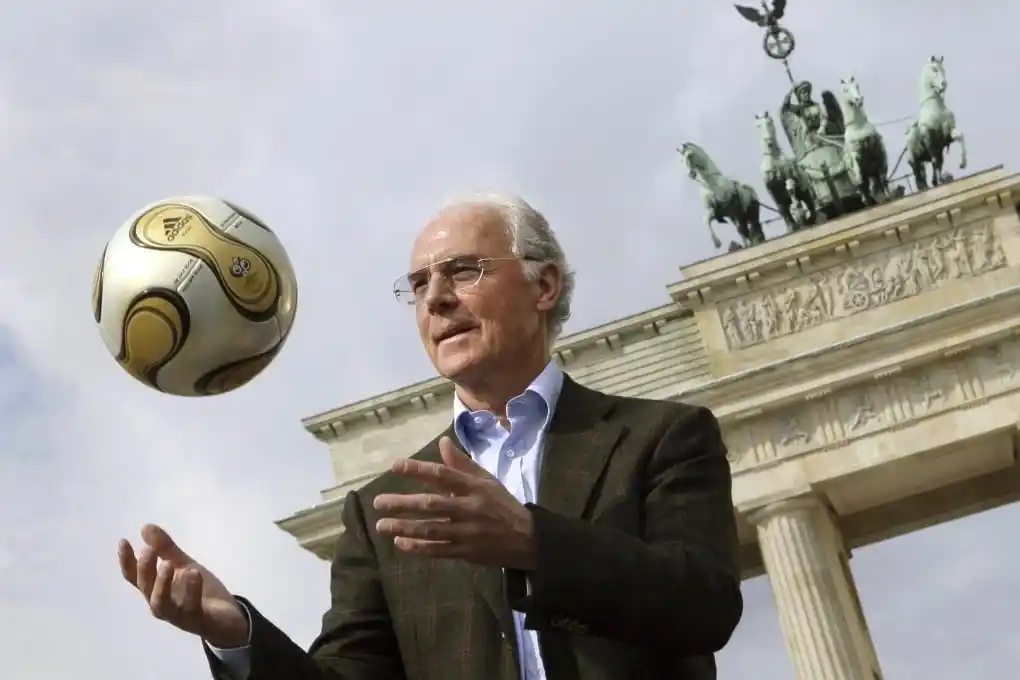
“Der Kaiser” didn’t just play the game — he reinvented a position. Beckenbauer transformed the sweeper role from a purely defensive job into a platform for elegant, attacking football, captaining West Germany to the 1974 World Cup and later managing them to another title in 1990. He’s one of only three people to win the World Cup as both player and manager.
Major titles won, by name:
- 1974 FIFA World Cup (West Germany, as captain)
- 1972 UEFA European Championship (West Germany)
- 1974, 1975 & 1976 European Cup (Bayern Munich)
- 1972 & 1974 Ballon d’Or
- 1990 FIFA World Cup (West Germany, as manager)
Why he’s in the Top 10: Beckenbauer earns his place for changing what a defender could be — he’s one of only three people in history to win the World Cup as both a player and a manager, proof of a footballing IQ that shaped the sport at every level he touched.
8. Alfredo Di Stéfano
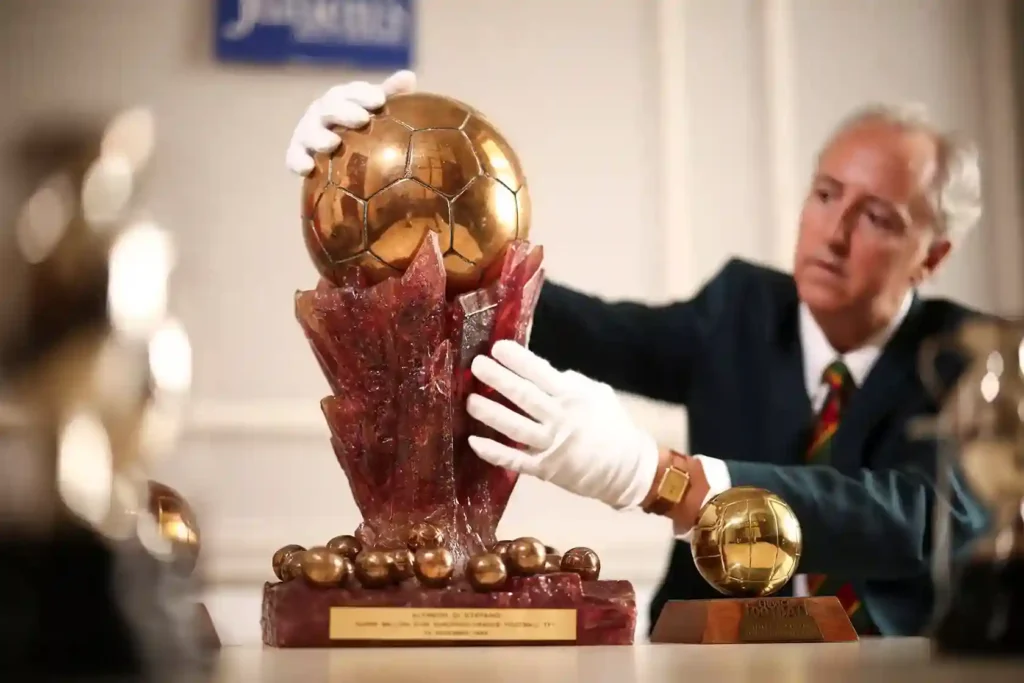
Di Stéfano is arguably the most influential player football fans under 40 have never seen play. He was the engine of the Real Madrid side that won the first five European Cups (1956–1960), and he did it playing every position across the pitch in an era before positional football had really been codified. Many older-generation experts still rate him above Pelé and Maradona for pure all-around influence.
Major titles won, by name:
- European Cup: 1956, 1957, 1958, 1959, 1960 (Real Madrid) — five consecutive titles
- La Liga: 1954, 1955, 1957, 1958, 1961, 1962, 1963, 1964 (Real Madrid)
- 1957 & 1959 Ballon d’Or
- 1952 Copa América (Argentina, unofficial “Campeonato Sudamericano” era)
- Never played in a FIFA World Cup, having represented Argentina, Colombia, and Spain at different points without qualifying alongside any of them
Why he’s in the Top 10: Di Stéfano makes the list because no player has ever dominated a single competition as thoroughly as he dominated the European Cup’s first five years — a five-in-a-row that remains untouched nearly seven decades later, achieved while playing every position on the pitch across a single match.
7. Johan Cruyff
Cruyff won three Ballons d’Or and redefined what “Total Football” could look like, both as a player for Ajax and the Netherlands and later as a manager who built the Barcelona philosophy that Pep Guardiola would eventually inherit and evolve. The Cruyff Turn is still taught to kids learning the game today — a rare case of a single move becoming permanent footballing vocabulary.
Major titles won, by name:
- European Cup: 1971, 1972, 1973 (Ajax) — three consecutive titles
- Eredivisie: 1966, 1967, 1968, 1970, 1972, 1973 (Ajax)
- La Liga: 1974 (Barcelona)
- Ballon d’Or: 1971, 1973, 1974
- Runner-up, 1974 FIFA World Cup (Netherlands) — never won a World Cup
Why he’s in the Top 10: Cruyff makes this list despite never winning a World Cup, because his influence on how football is actually played arguably exceeds every other name here — “Total Football” and the Cruyff Turn remain foundational to modern tactics, and the Barcelona philosophy he later built as a manager still shapes the sport today.
6. Zinedine Zidane
Zidane’s peak stretched across a World Cup win (1998), a European Championship (2000), and arguably the single greatest individual goal in a Champions League final — the left-foot volley against Bayer Leverkusen in 2002. He won the Ballon d’Or in 1998 and was voted the best player of the 2006 World Cup despite the infamous headbutt that ended his career in the final. Few players combined that level of grace and physical presence in midfield.
Major titles won, by name:
- 1998 FIFA World Cup (France)
- 2000 UEFA European Championship (France)
- 1998 Ballon d’Or
- 2001–02 UEFA Champions League (Real Madrid)
- 1996–97 & 1997–98 Serie A (Juventus)
- 2002–03 & 2002 La Liga and Spanish Super Cup (Real Madrid)
Why he’s in the Top 10: Zidane earns his spot for combining trophy-laden success with individual moments that stand alone in football history — his Champions League final volley in 2002 is still routinely cited as the single greatest goal ever scored on that stage, and he did it while being named the best player of an entire World Cup he didn’t even win, in 2006.
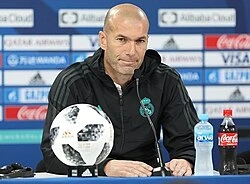
5. Ronaldo Nazário
Before injuries robbed him of a few peak years, “O Fenômeno” was, by the testimony of nearly everyone who played with or against him, the most complete striker the game has produced — power, pace, and technique in combinations defenders simply hadn’t seen before. He won two World Cups (1994, 2002) and two Ballons d’Or, and his 1997 Ballon d’Or season is still cited by Ronaldinho, Messi, and Ronaldo himself as a benchmark for individual brilliance.
Major titles won, by name:
- FIFA World Cup: 1994 (squad member, did not play) and 2002 (as top scorer with 8 goals)
- Ballon d’Or: 1997, 2002
- FIFA World Player of the Year: 1996, 1997, 2002
- UEFA Cup: 1997–98 (Inter Milan)
- La Liga: 1996–97 (Barcelona), 2002–03 (Real Madrid)
- Copa del Rey: 1996–97 (Barcelona)
Why he’s in the Top 10: Ronaldo Nazário makes this list on peak alone — before two catastrophic knee injuries, players and coaches across an entire era described him as the single most physically unstoppable forward they’d ever seen, and he still came back to win a World Cup as top scorer in 2002 despite everything his body had already been through.
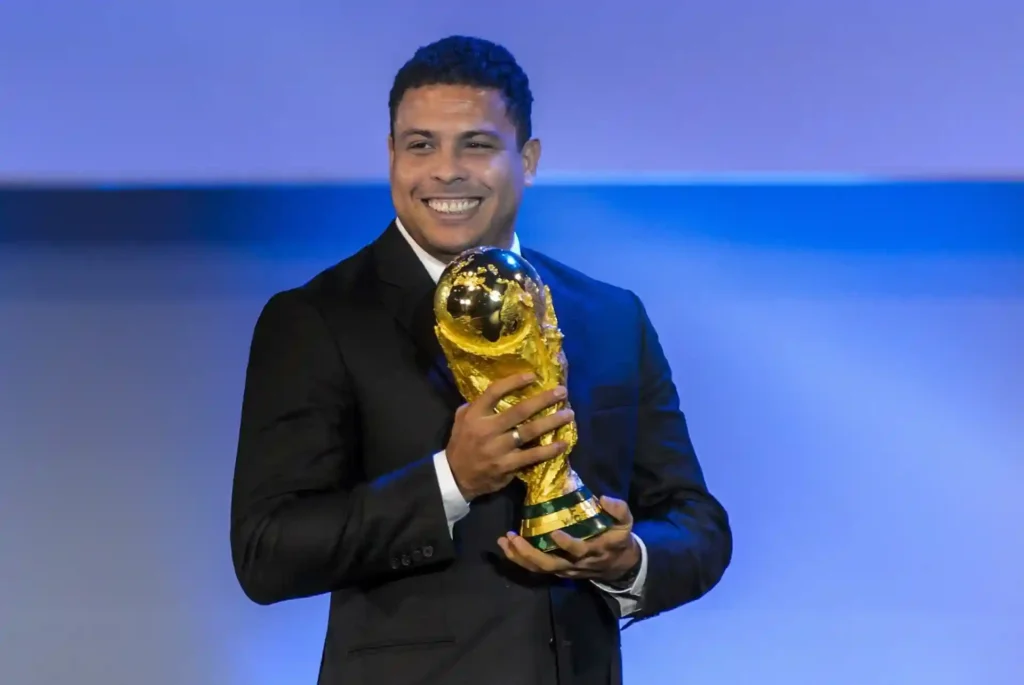
4. Diego Maradona
Maradona’s 1986 World Cup remains the single greatest individual tournament performance in football history — he single-handedly dragged an otherwise ordinary Argentina side to the trophy, scoring the “Hand of God” and the “Goal of the Century” in the same match against England. His technical ability, low center of gravity, and ability to control a match by himself set the template that Messi would later be compared against for an entire career.
Major titles won, by name:
- 1986 FIFA World Cup (Argentina, as captain)
- 1979 FIFA World Youth Championship (Argentina)
- 1981 Argentine Metropolitano Championship (Boca Juniors)
- 1982–83 Copa del Rey (Barcelona)
- 1986–87 & 1989–90 Serie A (Napoli)
- 1986–87 Coppa Italia (Napoli)
- 1988–89 UEFA Cup (Napoli)
- 1990 Supercoppa Italiana (Napoli)
- Golden Ball, 1986 FIFA World Cup (tournament’s best player)
Why he’s in the Top 10: Maradona ranks this high because of a single tournament that’s never been matched — carrying an otherwise unremarkable Argentina squad to the 1986 World Cup almost entirely by himself, scoring both the most controversial and the most celebrated goal in the sport’s history in the same match.
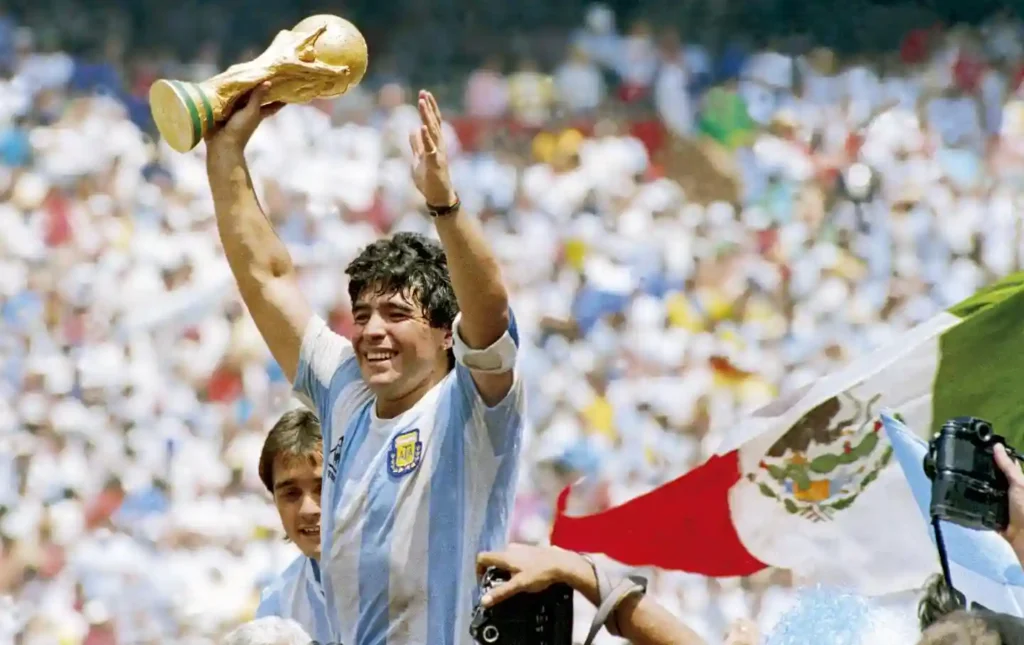
3. Cristiano Ronaldo
Ronaldo is football’s ultimate case study in relentlessness. Five Ballons d’Or, five Champions League titles, and the all-time leading goalscorer in men’s international football and the Champions League — built not just on natural talent but on a work ethic that turned him from a gifted teenage winger into arguably the most complete goal-scoring machine the sport has seen. His rivalry with Messi defined an entire era and pushed both men to heights neither might have reached alone.
Major titles won, by name (35+ career trophies):
- UEFA Champions League: 2007–08 (Manchester United), 2013–14, 2015–16, 2016–17, 2017–18 (Real Madrid)
- Premier League: 2006–07, 2007–08, 2008–09 (Manchester United)
- La Liga: 2011–12, 2016–17 (Real Madrid)
- Serie A: 2018–19, 2019–20 (Juventus)
- UEFA European Championship: 2016 (Portugal)
- UEFA Nations League: 2019, 2025 (Portugal)
- Saudi Pro League: 2025–26 (Al Nassr)
- Ballon d’Or: 2008, 2013, 2014, 2016, 2017
- FIFA Club World Cup: 2008, 2014, 2016, 2017
Why he’s in the Top 10: Ronaldo ranks here for sheer, sustained volume of output over an almost unmatched length of career — he holds the all-time scoring record in both men’s international football and the Champions League, built not on a short peak but on more than two decades of relentless professionalism and continued elite performance well into his late 30s and 40s.
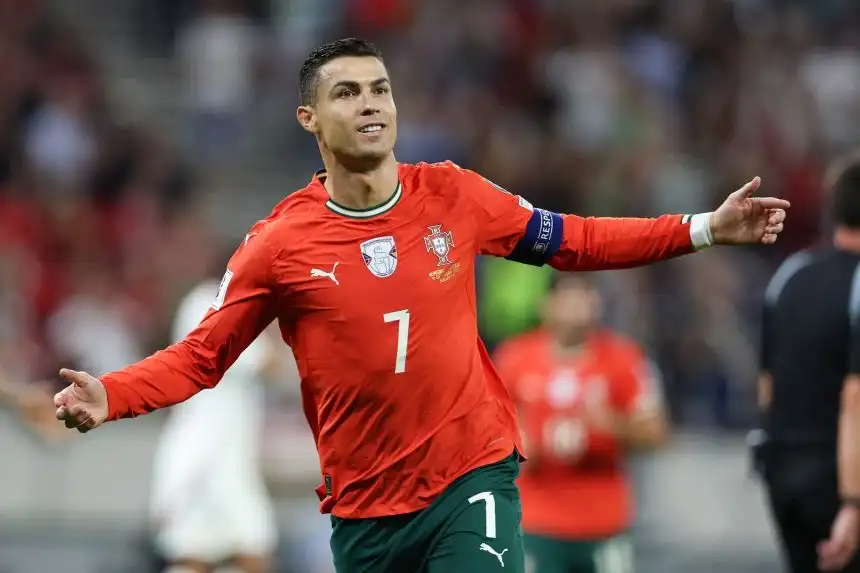
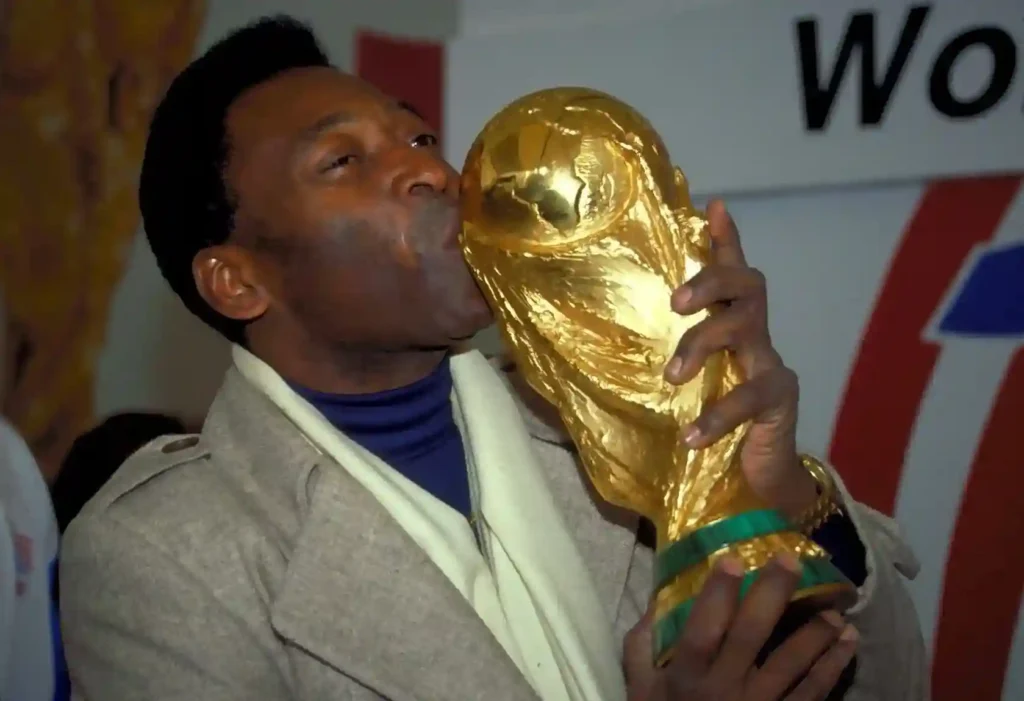
2. Pelé
Pelé remains the only player to win three World Cups (1958, 1962, 1970), and he did it as a teenager in his first tournament — scoring twice in the 1958 final at just 17 years old. Official records credit him with well over 1,000 career goals, and for decades he was simply the answer to “greatest ever” without much debate. His global ambassadorship after retirement also did more to grow football’s reach than perhaps any other individual in the sport’s history.
Major titles won, by name:
- FIFA World Cup: 1958, 1962, 1970 (Brazil) — the only three-time winner
- Copa Libertadores: 1962, 1963 (Santos)
- Intercontinental Cup: 1962, 1963 (Santos)
- Campeonato Brasileiro (national league): six titles between 1961 and 1965 (Santos)
- Campeonato Paulista (São Paulo state league): 10 titles (Santos)
- Never won a Ballon d’Or — the award was restricted to Europe-based players for most of his career
- FIFA Player of the Century, 2000 (shared with Maradona)
Why he’s in the Top 10: Pelé ranks near the very top because his record has genuinely never been threatened — no other player has won three World Cups, and he did it as a teenage prodigy in his first tournament through to a veteran leader in his last, a level of sustained international success across three completely different eras of the sport that stands alone.
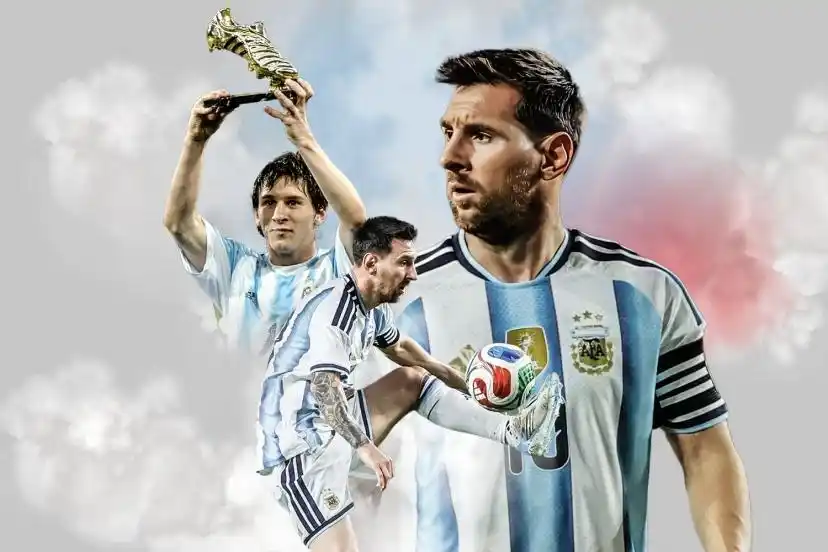
1. Lionel Messi
Messi tops this list for a simple reason: he has run out of individual records left to break. A record eight Ballons d’Or, over 900 career goals for club and country, the all-time assist leader in football history, and — as of the 2026 World Cup, happening right now — the all-time leading goalscorer in World Cup history, having overtaken Miroslav Klose’s long-standing record. He’s done all of this across three different clubs and two continents, spanning a professional career now closing in on its third decade. Combine the individual numbers with a World Cup win in 2022 that silenced the last real argument against him, and Messi’s case as the greatest of all time is as close to settled as this debate ever gets.
Major titles won, by name (44+ senior career trophies):
- FIFA World Cup: 2022 (Argentina)
- Copa América: 2021, 2024 (Argentina)
- CONMEBOL–UEFA Finalissima: 2022 (Argentina)
- Olympic gold medal: 2008 (Argentina, Beijing)
- La Liga: 10 titles between 2005 and 2019 (Barcelona)
- UEFA Champions League: 2006, 2009, 2011, 2015 (Barcelona)
- Copa del Rey: 7 titles (Barcelona)
- FIFA Club World Cup: 3 titles (Barcelona)
- Ligue 1: 2021–22, 2022–23 (PSG)
- Leagues Cup: 2023 (Inter Miami)
- Supporters’ Shield: 2024 (Inter Miami)
- MLS Cup: 2025 (Inter Miami)
- Ballon d’Or: 2009, 2010, 2011, 2012, 2015, 2019, 2021, 2023 — a record eight
Why he’s in the Top 10 (and #1): Messi tops this list because there’s simply no remaining statistical or trophy-based argument left against him — a record eight Ballons d’Or, the all-time assist record, a World Cup win that silenced his last major critics, and now the all-time World Cup scoring record being broken in real time as the 2026 tournament continues. No other player on this list can claim to have run out of individual records still left to break.
Honorable Mentions
The debate doesn’t stop at ten. Players like George Best, Ferenc Puskás, Eusébio, Michel Platini, Marco van Basten, Xavi Hernández, and Kylian Mbappé all have legitimate arguments for a spot on an expanded list, depending on how much weight you give to peak brilliance versus longevity versus trophies.